Rural residential occupancy issues and disputes
Explore how we can help businesses, families and individuals with their legal requirements around rural landlord and tenant services
Contact our teamHomes on rural estates are often tied to land, livelihoods and local communities.
When questions arise about who can live in a property, on what terms, and for how long, the legal position can be complex and highly specific to the countryside. Our specialist solicitors help landowners, estates, farmers, family offices and rural occupiers resolve residential occupancy issues efficiently and with care, protecting relationships and preserving asset value. We combine deep sector knowledge with clear, pragmatic advice to deliver solutions that work on the ground.
From service occupancies and tied cottages to assured, Rent Act and assured agricultural tenancies, and from agricultural occupancy conditions to rural worker dwelling restrictions, we advise across the full range of rural residential arrangements. Whether you need strategic guidance, urgent possession, variation or discharge of planning ties, or a negotiated settlement, our team acts swiftly and proportionately. Working closely with our rural property and disputes teams, we provide a joined-up service that minimises disruption to your estate or business. Rural disputes and rural property are core strengths at Moore Barlow, and we bring that experience to every instruction.
We understand the sensitivities that often accompany rural homes: multi‑generation families, long-standing staff, and properties integral to farm operations. Our focus is on early risk management, clear communication and, where needed, robust action to safeguard your position and achieve a fair, lasting outcome.

How we help rural landowners, estates and occupiers
Our lawyers provide end‑to‑end support on rural residential occupancy issues, from proactive structuring and documentation to dispute resolution and litigation. We tailor our approach to the facts, the people involved and the commercial realities of your estate.
- Tenancy and occupancy audits across estate housing portfolios, identifying risks and opportunities.
- Drafting and updating service occupancy agreements, licences and assured periodic tenancies (formerly assured shorthold tenancies) for estate cottages and staff accommodation.
- Advising on status: licence or tenancy, service occupancy, assured shorthold, assured, Rent Act 1977 protected and assured agricultural occupancy.
- Possession strategy and claims (including section 8 and notices to quit where available), rent arrears recovery and enforcement.
- Succession, assignment and subletting issues, including challenges to unauthorised occupation.
- Disrepair, health and safety, deposit protection and compliance for residential landlords on rural estates.
- Planning ties: agricultural occupancy conditions (AOCs), rural worker dwellings, variations, lawful development certificates and evidence collation.
- Negotiation and mediation to preserve relationships; urgent injunctions and court proceedings where required.
- Integrated support with employment, planning, tax and private wealth considerations affecting rural homes.
Where appropriate, we work alongside your land agents, planning consultants and valuers to deliver a cohesive strategy.

Our team of rural solicitors


Charlotte Brackley
Partner | Commercial Property, Real Estate, Landed Estates and Farming, Rural Services

Julian Parkes
Partner | Commercial Property, Real Estate, Landed Estates and Farming, Rural Services

Sarah Jordan
Partner | Commercial Property, Real Estate, Landed Estates and Farming, Rural Services

Nellie van der Lande
Senior Associate | Commercial Property, Landed Estates and Farming, Real Estate Finance, Rural Services

Oliver Appelboam Meadows
Associate | Commercial Property, Landed Estates and Farming, Rural Services

Beccy Prince
Senior Property Executive (ACILEx) | Landed Estates and Farming, Rural Services

Megan Smith
Senior Paralegal | Landed Estates and Farming, Rural Services
Common issues we resolve
Rural residential disputes can escalate quickly if not managed early. We regularly deal with the following challenges and more.
- Recovering a tied cottage after an employee leaves or retires, and disputes about whether the arrangement was a service occupancy or tenancy.
- Clarifying the rights of long‑standing occupiers and potential Rent Act 1977 protections in estate cottages first let before 1989.
- Assured agricultural occupancy queries, including grounds for possession and rent review mechanics.
- Breach of planning conditions relating to agricultural or rural worker occupancy, compliance strategies and applications to vary or discharge conditions.
- Successions and claims from family members seeking to remain in occupation after a death or change in employment.
- Rent arrears, anti‑social behaviour, pets and livestock issues, and disrepair claims specific to rural settings.
- Allegations of unlawful eviction or harassment and defending or bringing related claims.
- Unlawful subletting, holiday letting or use inconsistent with planning or tenancy terms.
Each matter turns on its facts. Early advice often widens your options and reduces cost and risk.
Residential occupancy types on rural estates
Getting the status right is fundamental. The label applied historically to an arrangement may not be decisive; the reality of occupation usually is. We can assess and confirm the legal position and your options.
- Service occupancy/licence: Typically provided because the role requires living on site. Usually a licence linked to employment that ends when the job ends, but careful drafting and management are essential.
- Assured shorthold tenancy (AST): The most common modern residential letting. Possession routes and notice requirements are technical and must be followed precisely.
- Assured tenancy: Greater security than an AST. These arise in specific circumstances and bring different possession grounds.
- Assured agricultural occupancy (AAO): Certain agricultural workers benefit from enhanced rights; identifying AAO status is critical before any possession steps.
- Rent Act 1977 protected tenancy: Some long‑standing occupiers on estates may have significant security and regulated rents.
We will analyse documents, employment history, rent records and property use to advise on status and the most effective path forward.
Our latest rural legal insights

















Planning ties and agricultural occupancy conditions
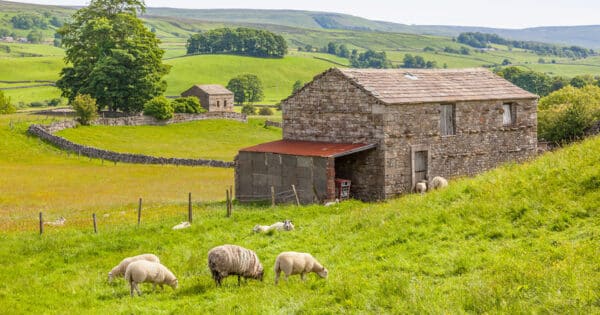
Many rural homes are subject to planning conditions restricting occupation to those employed in agriculture, forestry or other rural enterprises (often called agricultural occupancy conditions, AOCs, or ag ties). Breach can attract enforcement and complicate sales, lending and succession planning.
Our team helps you manage risk and unlock value by advising on compliance strategies, applications to vary or discharge conditions, and lawful development certificates supported by robust evidence. We also guide estates through marketing exercises, viability assessments and the preparation of statements to support planning applications relating to rural worker dwellings.
If a tie has been breached for a sustained period or no longer serves a useful planning purpose, we work with planning colleagues and consultants to prepare a compelling case to the local authority, while managing any parallel occupancy or tenancy issues with the resident.
Early risk management and dispute resolution
We favour early, practical steps to de‑escalate disputes: clear letters before action, structured negotiations and mediation where appropriate. When court action is necessary, we act decisively and proportionately to protect your position, including urgent injunctions and applications for possession.
Our approach balances the legal merits with the broader realities of rural life—harvest timetables, staffing needs, reputational concerns and the impact on communities.
Evidence, notices and timelines
Successful outcomes often turn on the quality of evidence and strict compliance with notice and procedural requirements. We help you gather and preserve key documents: employment contracts, wage slips, rent statements, historic correspondence, planning decisions, council tax records and witness statements.
We then structure the right notice strategy—whether a section 8 or tailored grounds under other regimes—ensuring service, timing and content are correct to avoid delay or cost sanctions.
Who we work with
We act for landed estates, farms, agri‑businesses, equestrian and viticulture enterprises, family offices, trustees, charities and rural landowners, as well as advising occupiers and employees where appropriate.
Why choose Moore Barlow
- Deep rural sector expertise and a long track record resolving sensitive occupancy disputes.
- Joined‑up advice across rural property, disputes, planning, employment and private wealth.
- Pragmatic, people‑focused strategies that protect relationships and assets.
- Partner‑led service with clear fees and regular, plain‑English updates.
- Strong negotiation skills and advocacy, with robust litigation where required.
We invest the time to understand your land, your people and your priorities, so our advice is commercial, workable and timely.
Speak to our rural residential disputes solicitors
If you are facing a rural residential occupancy issue, or want to prevent one, contact Moore Barlow for clear, early advice. Our team will assess your position, outline your options and move swiftly to protect your interests and achieve a practical outcome.
Contact our rural law team
Landed estates, rural businesses & landowning families
Download our brochure and explore more information about the rural and agricultural services we offer, and discover why we are the legal experts in this area.
Our team accreditations