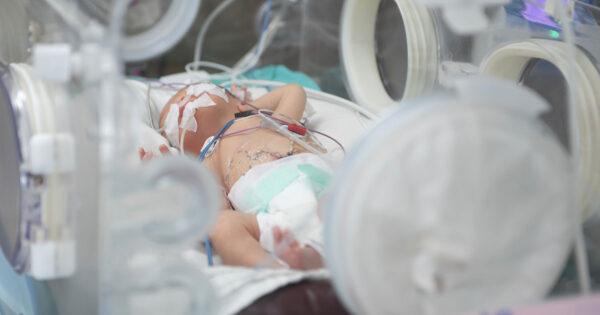
When a child has suffered a traumatic brain injury (TBI), the impact on their education is not always immediate or obvious. Difficulties with memory, attention, emotional regulation and fatigue may emerge gradually, particularly as academic demands increase throughout the school years. One of the current key mechanisms for securing structured educational support in England is via an Education, Health and Care Plan (EHCP), but many families are unsure how the process works and why it can feel so difficult to access.
What is an Education, Health, Care Plan (EHCP)?
An Education, Health and Care Plan (EHCP) is a legally binding document that sets out a child or young person’s special educational needs and the support required to meet them. It brings together input from education, health and social care professionals and currently applies to children and young people aged up to 25.
An EHCP often goes beyond general classroom adjustments. It can include: –
- Specialist teaching support
- 1 to 1 assistance in lessons
- Speech and language therapy (SALT)
- Occupational Therapy (OT)
- Educational psychology input
- Adapted timetables or environments
For a child living with the effects of a brain injury, this formal structure can be crucial in ensuring consistent, enforceable provision.
Who can apply for an EHCP?
An EHCP assessment can currently be requested by: –
- A Parent or Carer
- The young person themselves if they are 16 or over
- A school or educational setting
- Professionals i.e., anyone working with the child, including doctors, health visitors, or a social worker
The request is made to the local authority, who will then decide whether the child’s needs require a statutory assessment.
Children do not need a specific diagnosis to apply for an EHCP. What matters is whether their educational needs are significant and require provision beyond what a mainstream school would normally provide from its own resources.
Why does there appear to be reluctance in making applications for an EHCP?
Over the years, it seems to be the case that many families have reported feeling discouraged from applying for an EHCP and there appears to be a growing reluctance to make applications. This may be for several reasons including: –
- Schools may prefer to manage needs internally due to funding pressures
- Local authorities face financial strain within SEND budgets
- Parents may be told their child is “coping well enough”
There is often misunderstanding and a lack of knowledge about “hidden” disabilities especially when it comes to supporting a child who has suffered a traumatic brain injury, as difficulties may be subtle.
Further training for teachers and SENCOs on the long-term educational effects of brain injury may help to ensure that the subtleties of TBI can be recognised within an education setting and the proper support be put in place, including the provision of an EHCP. Without the legal protection of an EHCP, provision may be inconsistent or reduced over time.
What are the recent government proposals regarding EHCPs?
The recent education proposals in England are putting a spotlight on how children with special educational needs and disabilities (SEND) are supported including reassessments as they move from primary to secondary school.
Under the new proposals, EHCPs will increasingly be limited to pupils with very severe or complex special educational needs and disabilities (SEND). The government expects the number of pupils with EHCPs to fall over the long term, with EHCPs primarily used for those requiring the highest level of support.
Instead of EHCPs for most children with SEND, schools will be legally required to create Individual Support Plans (ISPs). These will record day-to-day support and help a child receives in school and are meant to ensure every child with SEND has a plan.
The reforms propose a multi-tiered system of support above a universal baseline: –
- Targeted support for needs met within school
- Targeted-plus support with additional specialist help
- Specialist provision packages linked to the highest level of need – only children needing these ‘specialist provision packages’ would qualify for an EHCP under the new system
The government aims to boost mainstream school capacity to identify and support SEND needs early, with additional funding for specialist services. The proposals are intended to make sure support matches the child’s needs, but the way it’s being done has raised concerns.
This is because the proposed changes could mean: –
- Reassessment at key transitions, especially primary to secondary, rather than automatic continuation. Families have reported being concerned that this reassessment could reduce continuity of support when it’s needed most
- Tighter criteria for EHCPs, focused on the most complex needs, with other children placed on new forms of Individual Support Plans (ISPs) instead, which may not offer the same legal protections
- A shift in responsibility for support from local authorities to schools, and emphasis on mainstream settings to deliver more specialised help without sufficient training or funding
Why this matters for a child with a brain injury
Brain injuries in children, whether acquired through an accident, medical event, or birth can have an impact on learning, communication, memory, behaviour and emotional regulation.
Secondary school comes with new expectations; more subjects, different teachers, larger spaces, more complex social environments. For children with cognitive or physical effects from a brain injury, this is a critical period. If their support plan is reassessed too rigidly, they may lose elements of support just when they most need them or be placed on a plan that doesn’t reflect all their needs.
Reassessment every few years does appear to make sense as a child’s needs may change over time, especially as demands grow at secondary school, but if the criteria for support become stricter, children with a history of neurological injury might fall below that threshold and miss out on services they still need, such as, speech and language therapy, educational psychology input and modified timetables, despite having very genuine and lasting needs.
The government insists that effective support won’t be taken away and that the intent is to create a more responsive, inclusive system, and that ISPs will carry legal weight, but there does appear to be concern that these reforms could bring new challenges.
If the government tightens eligibility for an EHCP so that only the most complex cases qualify, some children with traumatic brain injury (TBI), particularly those with ‘hidden’ cognitive or behavioural difficulties may no longer meet the higher threshold.
The importance of investigating a personal injury claim
If access to statutory support does become more limited, families may find themselves having to provide further, robust evidence in support of an EHCP or needing to fund therapies, tutoring, specialist input and care privately.
Where a brain injury has been caused by negligence, for example, in a road traffic collision, or other serious incident, a personal injury claim can help to secure interim payments to fund ongoing rehabilitation needs and further support.
Brain injuries in children often create very real lifelong needs, which may include the need for: –
- Neuropsychology input
- Speech and language therapy
- Occupational therapy
- Psychology
- Specialist tutoring
- Behavioural support
- Assistive technology/ aids
- Additional Care and supervision
Brain injuries in children require very careful assessment with a muti-disciplinary approach.
A well-prepared claim will involve independent medical experts who will be able to assess the full cognitive and behavioural impact of a child’s brain injury and consider how their needs may develop over time.
How Moore Barlow can help
If your child has suffered a brain injury and you are concerned about their future support, particularly considering the proposed EHCP reforms, seeking early specialist legal advice is crucial.
Choosing the right legal representation is a pivotal decision that goes beyond just winning a case; it’s about ensuring the complete well-being of your child now and in the future. At Moore Barlow, our child brain & head injury lawyers are not only extensively trained and specialised in tackling the most severe child brain and head injuries, but we also bring a depth of experience that instils confidence and peace of mind.